South Africa has produced a literature forced to reckon with the country as it is. Nadine Gordimer and J.M. Coetzee approached power, race and moral compromise from very different angles. Alan Paton wrote a landscape beautiful enough to make its divisions felt deeply by readers. Mandela's Long Walk to Freedom belongs as part of the country's written imagination, but, ultimately, when you read into Zakes Mda, André Brink or Olive Schreiner you find that the literary discussion of SA is often a long, unresolved conversation about land, language, belonging, and what people owe one another.
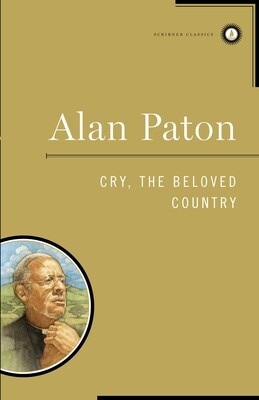
A pastor leaves rural Natal for Johannesburg in search of his son. The journey exposes a country’s divisions through family, work and loss. Paton makes the distance between countryside and city feel much greater than the miles on a map, bringing the reader close to the people on either side of it.
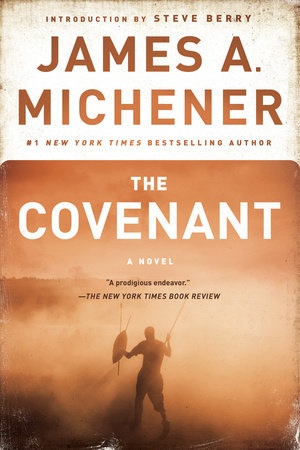
For the long view, Michener follows generations of African, Afrikaans and English families through South Africa’s history. Land, migration and competing claims to power connect their stories. This is the country on an epic scale, a journey through the forces that shaped its settlements, institutions and unresolved divisions.
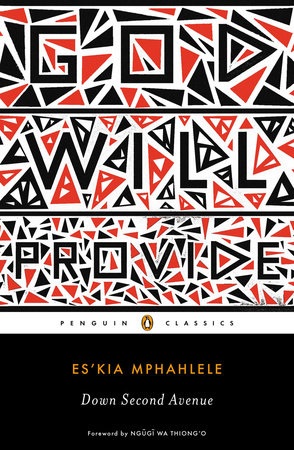
Mphahlele brings the country down to the scale of a life. Childhood, family, poverty and police surveillance shape his memoir of growing up in segregated South Africa. The making of a writer becomes a journey through everyday places and relationships, where the restrictions of an unjust society are felt at every turn.
Social protest and unresolved divisions animate Alan Paton's portrait of South Africa, where a beautiful landscape holds painful national contradictions.
David Livingstone's ambitions and difficult relationships reveal the personal forces behind a Victorian explorer's celebrated journeys through southern Africa.
Livingstone's African journeys unfold through a biographical portrait of the explorer whose travels helped shape European perceptions of the continent.