A city is never quite the same place to the people who live there as it is to those who arrive from somewhere else. Outsiders tend to notice what a place has come to represent: its beauty, its mythology, its food, its streets, its rituals. Locals move through something less polished and more intimate. They know the inconveniences, the habits, the shortcuts, the social divisions and the parts of the city that rarely become anyone’s idea of it.
Paris makes that divide especially visible. Few cities have been imagined so intensely from the outside, and the first three books in this guide are drawn to precisely that Paris: the cafés, the romance, the freedom to wander, the pleasure of discovering a culture that feels different from one’s own. Their writers are looking at the city, absorbing it and, inevitably, turning it into something partly of their own making.
The view from inside is almost another world. Zola begins literally with the belly of Paris, plunging into the markets, food, labour and crowds that keep the city alive. Queneau sends Zazie in search of its bowels, determined above all to get underground and ride the Métro, while the Paris around her dissolves into traffic, slang and urban absurdity. And with Vernon Subutex, Virginie Despentes arrives at the contemporary city as its inhabitants actually live it: through apartments, bars, friendships, precarious work, money, music, displacement and the constant movement between people who share the same streets without necessarily sharing the same Paris.
Together, these books move from the Paris people come to find to the Paris that can only really be known by living there.
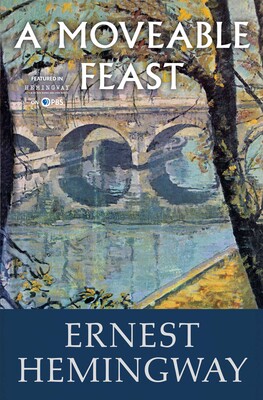
01 · ParisA Moveable Feast
Ernest Hemingway
Hemingway remembers Paris as a young writer with very little money and an enormous appetite for the city around him. Cafés, bookshops, cheap meals, long walks and literary friendships give shape to a Paris experienced through daily ritual rather than grand sightseeing.
Yet this is also Paris remembered from afar. The city has been polished by memory into something almost mythical: a place where poverty could feel romantic, where every café might contain a story, and where simply walking home could become part of a writer’s education.
In 1950, long before the book was published posthumously, Hemingway wrote to a friend, “If you are lucky enough to have lived in Paris as a young man, then wherever you go for the rest of your life, it stays with you, for Paris is a moveable feast.”
Take a question with youWhat makes a temporary place stay with you long after you left it?

02 · France · ParisThe Dud Avocado
Elaine Dundy
Semi-autobiographical, Sally Jay Gorce arrives in Paris determined not to waste a minute of being young and abroad. She plunges into theatre, parties, cafés, romance, unsuitable men and the pleasures of making decisions without much concern for where they might lead. There is something of The Bell Jar's, Esther, in her enthusiasm for 'the big city'.
Paris becomes a stage for reinvention. Its attraction lies partly in everything Sally Jay believes she can do there that might have seemed impossible at home. The city is glamorous because she is still discovering it, and because being an outsider gives her permission to behave differently.
Where Hemingway looks back on Paris with reverence, Dundy throws herself into it headfirst.
Take a question with youHow much of the freedom we find abroad comes from the place itself, and how much from being unknown there?
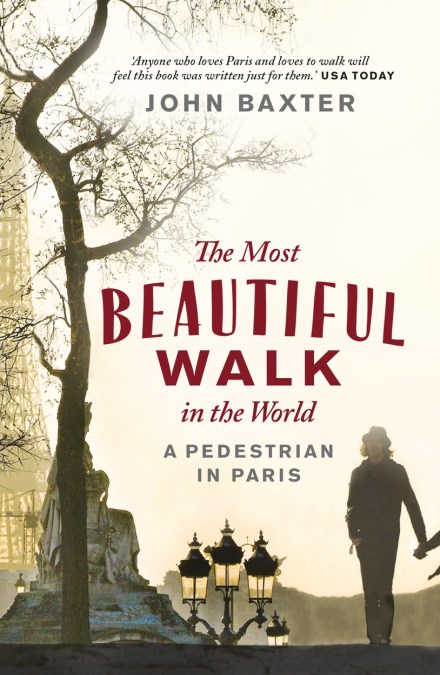
03 · France · ParisThe Most Beautiful Walk in the World
John Baxter
John Baxter approaches Paris on foot. Streets lead to cafés, cafés to writers, writers to scandals, and a simple walk can wander into history, food, sex, crime or some half-forgotten corner of the city.
His Paris is built through digression. To walk through it is to encounter layers of other people’s stories, and Baxter happily allows himself to be distracted by whatever appears around the next corner.
It is the outsider’s gaze at its most attentive: still fascinated by Paris, but less interested in the postcard than in the pleasure of noticing.
Take a question with youDo we understand a city better by knowing where we are going, or by allowing ourselves to get lost?

04 · France · ParisThe Belly of Paris
Émile Zola
Zola begins not with monuments or boulevards but with Les Halles, the enormous food market that once fed the city.
Meat, fish, vegetables, cheese, carts, merchants, workers and customers crowd the novel. Paris appears as something almost biological: a vast organism consuming, trading and digesting enormous quantities of food every day.
There is nothing distant about this Paris. Zola takes the reader behind the elegant surface and into the machinery that keeps the city alive.
Take a question with youWhat do we learn about a city when we look at what it is that keeps it going?

05 · France · ParisZazie in the Metro
Raymond Queneau
Zazie arrives in Paris with one ambition above all others: to ride the Métro. Naturally, it is on strike.
What follows is a wildly irreverent journey through the city above ground. Traffic, cafés, landmarks, arguments, slang and confused geography turn Paris into a playground in which the famous city outsiders come to admire is constantly undermined by the people actually moving through it.
Zazie wants to get inside Paris quite literally, into its underground arteries. Instead, she discovers the unruly city that exists on top of them.
Take a question with youWhat remains of a famous city once its landmarks are mere banalities?
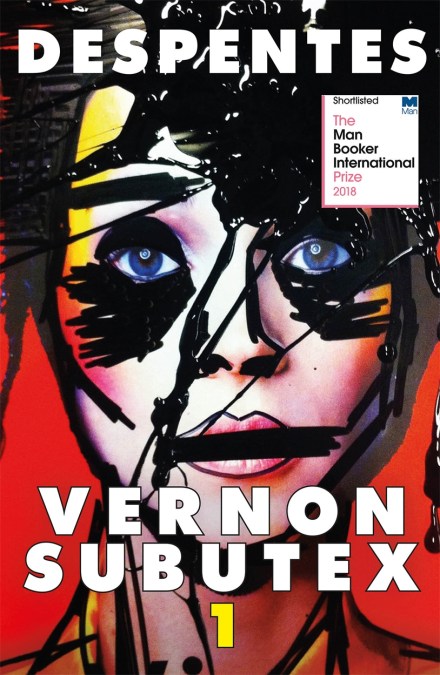
06 · France · ParisVernon Subutex
Virginie Despentes
Vernon Subutex is a trilogy. The cover shown is the English edition of volume one.
Vernon Subutex begins with a man losing his record shop, then his apartment, and gradually being pushed out into the city. Around him gathers an enormous cast of former friends, lovers, musicians, professionals, addicts, drifters and people whose lives have taken unexpected turns.
Despentes moves through a Paris of apartments, bars, parks, couches, neighbourhoods and precarious lives. Money determines who can remain where. Friendships become temporary shelters. People who once seemed part of the same cultural world drift into radically different social realities.
This is Paris without the outsider’s romance. It is simply the place these characters live, struggle, age, disappear and occasionally find one another.
Take a question with youWhat unites the people living in a place when many experience the same city differently while living only a few streets apart?