Italy. Ferrante's Naples. Dante's and Machiavelli's Florence. The Leopard of Sicily. The stories are as broad and colorful as Italy is long and diverse. Countryside stories, monastic stories, Calvino's towns, Ferrante's Naples. Inspiration to Goethe, Stendhal, E.M. Forster. Read it from North to South and you can feel the map changing. Read it century by century and, surprisingly, little changes except for the details of all this glorious chaos.
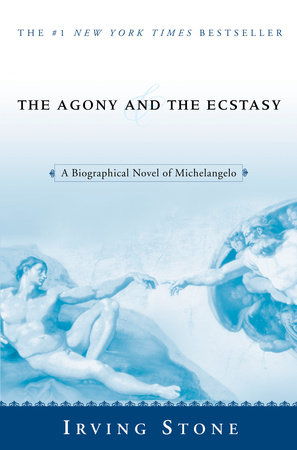
Enter Renaissance Florence through Michelangelo’s relentless ambition. Workshops, marble, Medici patronage and political rivalries turn the city’s famous art into something lived and fought over. Irving Stone follows the artist from his Florentine beginnings to Rome, giving the journey the scale of a life devoted to making.
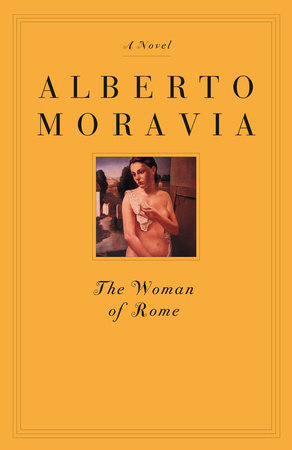
Adriana wants a home and family, but beauty becomes her currency in a city where desire and power are closely entangled. Moravia leads us through Rome under Mussolini by way of models, lovers, criminals and secret police. An intimate, unsparing journey into the bargains people make to survive.
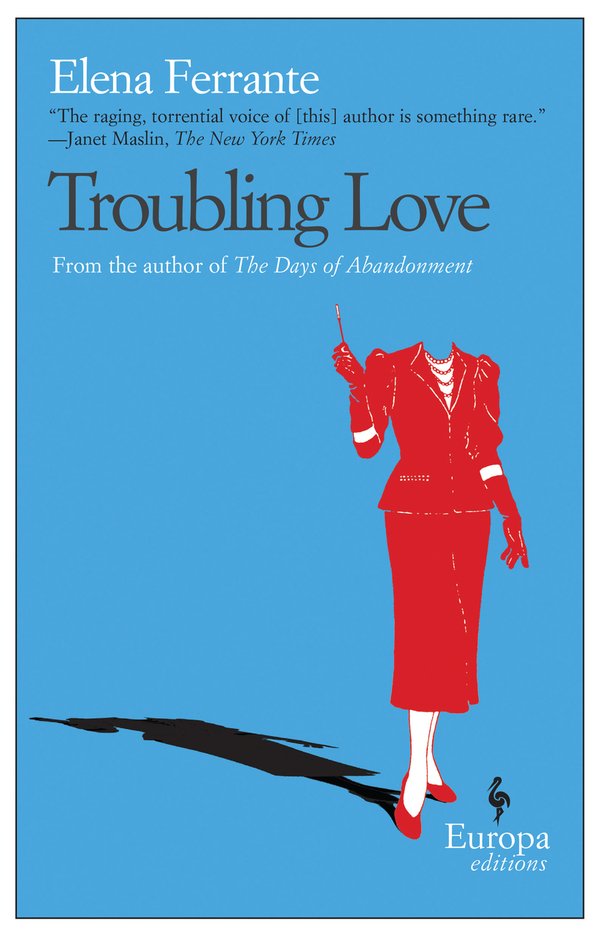
After her mother’s mysterious death, Delia returns to Naples and begins asking questions. The streets lead her back into childhood, family secrets and memories she can no longer trust. Ferrante’s short, unsettling novel makes returning home feel like entering unfamiliar territory, with the city pressing in at every turn.
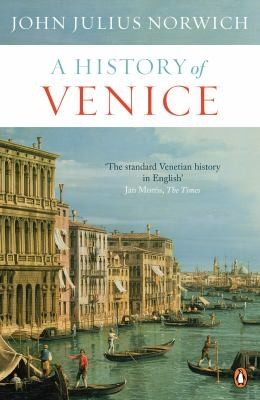
Venice's thousand-year history unfolds through naval conflict and political intrigue, with the city's beauty inseparable from its ambitions and reversals.
A changed room in a Florence hotel unsettles Lucy Honeychurch's expectations, beginning an encounter with love that challenges her inherited prejudices.
Elizabeth Bowen's account of a time spent in Rome is no ordinary guidebook but an evocation of a city - its history, its architecture and, above all, its atmosphere.
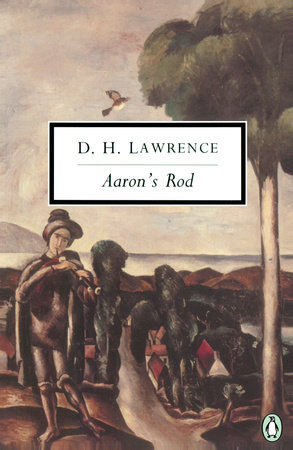
Florence becomes the setting for Lawrence's exploration of unstable convictions, as impulse and fractured moral assumptions unsettle the direction of a life.
American artists and writers encounter Rome across two centuries, revealing how the city helped shape their creative imaginations and cultural ambitions.
Tucci's family saga carries readers into turn-of-the-century Rome, where differences of class and circumstance shape the intimate texture of city life.
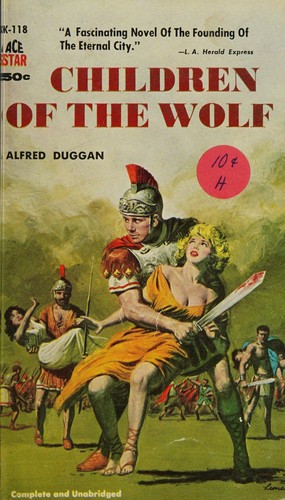
Duggan imagines Rome's beginnings through historical fiction, giving the city's foundational story the human stakes of an uncertain and contested world.
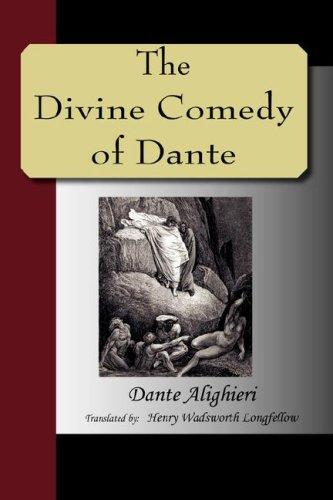
Dante's imagined journey through the afterlife underlies the reading in The Dante Game, connecting a Florentine mystery with medieval Italy's great poem.
Enzensberger looks across six European countries, bringing Italy into an essayist's exploration of a continent's conflicting identities and assumptions.