The books in this guide move through forest, plains, desert, ocean, mountain and ice, placing their characters and travellers in radically different environments but returning to the same question: what happens when fragile human beings encounter a world vastly more powerful than themselves?
Yet these are not simply stories of nature overwhelming us. They are also stories of adaptation—of learning to read a landscape, work with it, improvise within its limits and sometimes turn the very forces that threaten survival into the means of achieving it.
Together, they form a journey through some of the planet’s least forgiving places, and through the remarkable range of human responses when nature sets the terms. There is a certain satisfaction to reading these books surrounded by all the comforts of home.
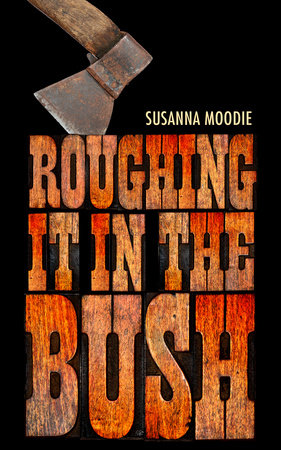
01 · Upper Canada · CanadaRoughing It in the Bush
Susanna Moodie
Leave nineteenth-century Britain for the forests of Upper Canada, where Moodie and her family attempt to turn emigration into a new life.
The wilderness is not the romantic refuge she might have imagined. Clearing land, enduring brutal winters and managing the ordinary work of survival require skills that genteel upbringing has done little to provide. The forest determines distances, labour and possibility, while neighbours who understand the country often prove more useful than expectations brought from home.
Moodie’s account is also a record of adjustment. The landscape does not change to accommodate the newcomer; the newcomer must learn how to live within it.
Take a question with youWhat happens when the skills a society has taught you are no longer the skills you need?
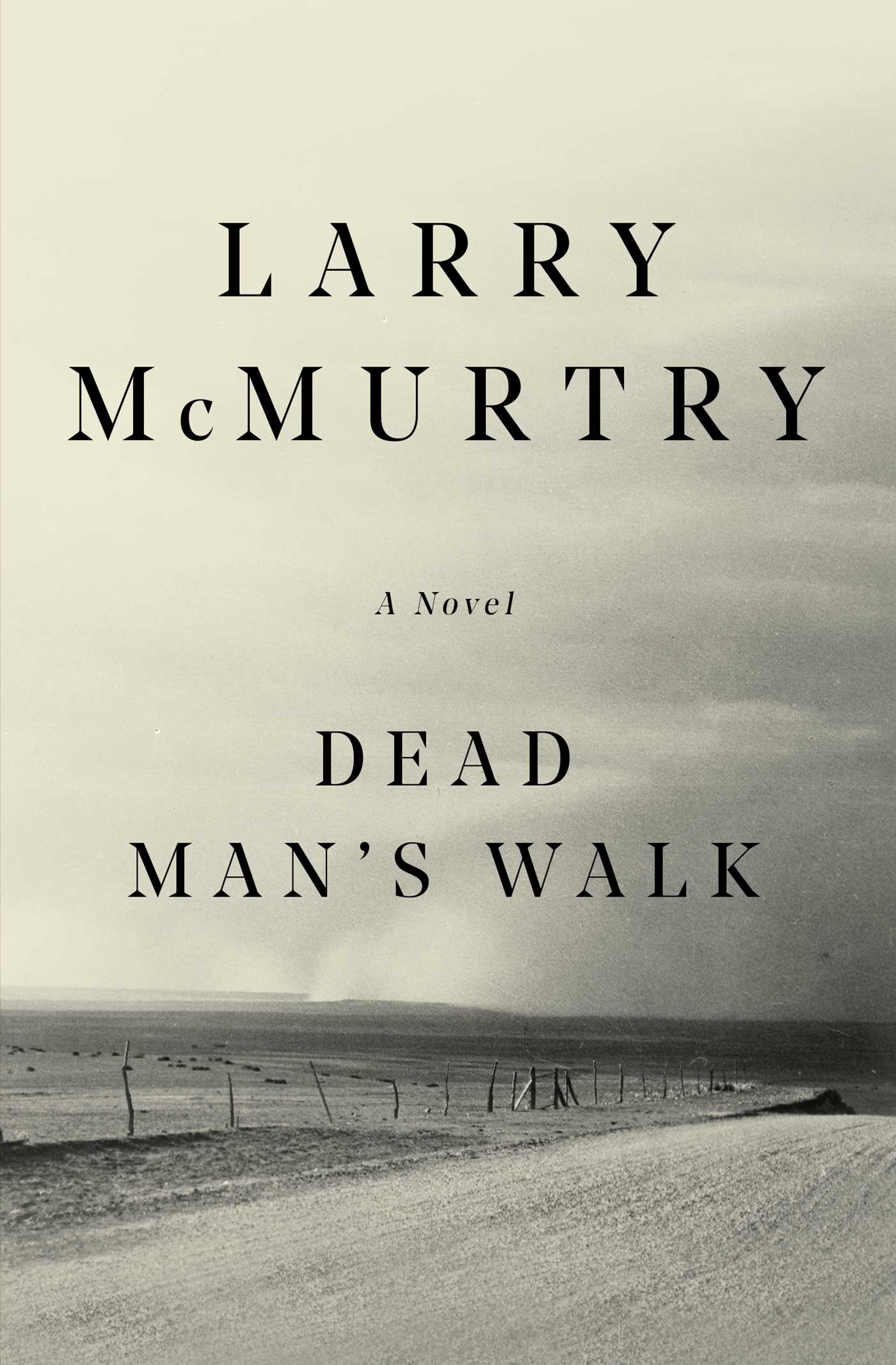
02 · Texas · New Mexico · MexicoDead Man’s Walk
Larry McMurtry
Ride out onto the Texas frontier with the young Woodrow Call and Augustus McCrae, long before the men of Lonesome Dove have become legends.
Their journeys take them through vast stretches of plains and border country where distance itself becomes a danger. Water, weather, animals and terrain continually upset human plans, while violence between peoples makes the landscape still harder to cross.
McMurtry strips the frontier of much of its later romance. Survival depends not on heroic certainty but on endurance, luck, companionship and the ability to keep moving through a country that offers little protection.
Take a question with youHow much of what we call courage is really the ability to continue when control has disappeared?
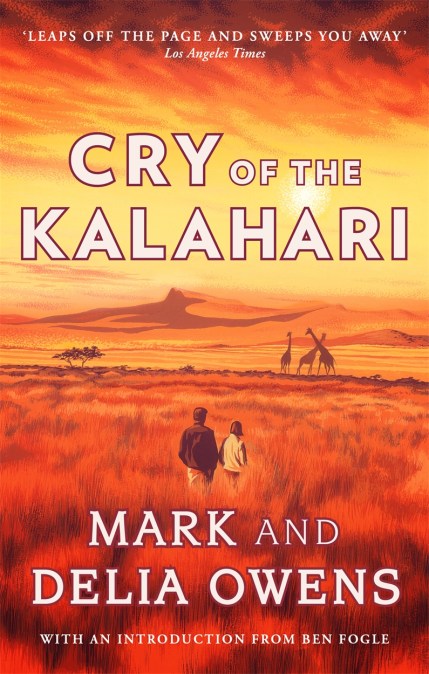
03 · Botswana · KalahariCry of the Kalahari
Mark and Delia Owens
Travel into Botswana’s Kalahari with two young researchers who establish themselves in an isolated wilderness to study its animals.
Life in the desert means learning an environment whose rhythms are easy for an outsider to misread. Water, distance, heat and the movements of wildlife shape the researchers’ days, while long observation gradually turns an apparently empty landscape into one crowded with relationships.
The Owenses arrive as scientists, but the desert requires more than detached observation. To remain there they must learn how the place works, adapting their own lives to the animals and conditions they came to study.
Take a question with youWhen does observing a place become a form of belonging to it?
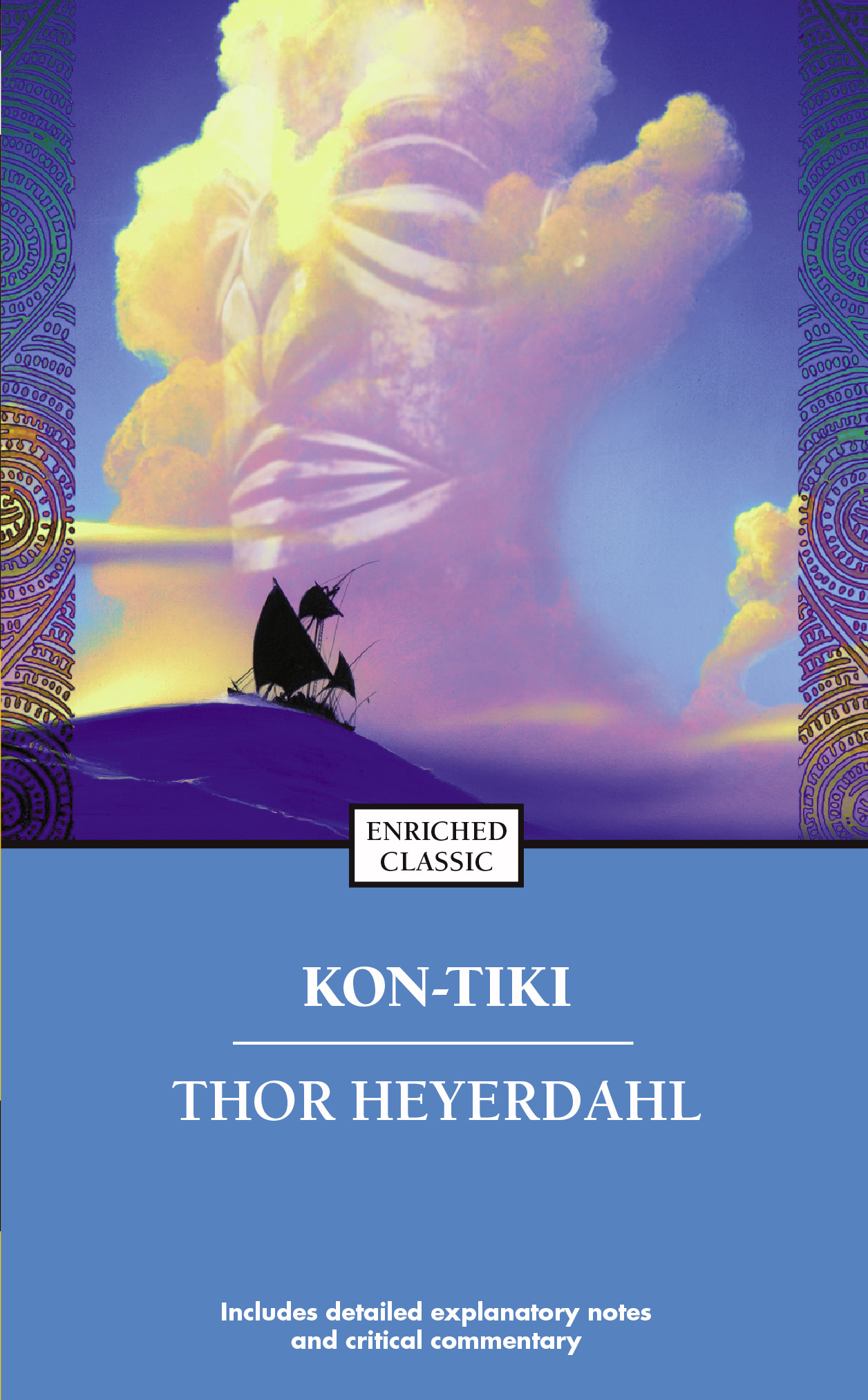
04 · Pacific Ocean · Peru · French PolynesiaKon-Tiki
Thor Heyerdahl
Push away from the coast of Peru on a balsa-wood raft and let the Pacific decide what happens next.
Heyerdahl’s expedition attempts to demonstrate that a pre-Columbian voyage from South America to Polynesia was physically possible. Whatever one makes of the larger theory, the voyage itself is an extraordinary experiment in submitting human ingenuity to wind, current and ocean.
The crew cannot command the Pacific. Their task is to understand what the raft can do, work with the forces carrying it westward, and resist the temptation to imagine that survival requires mastery over everything around them.
Take a question with youWhen is survival about controlling nature, and when is it about learning to move with it?
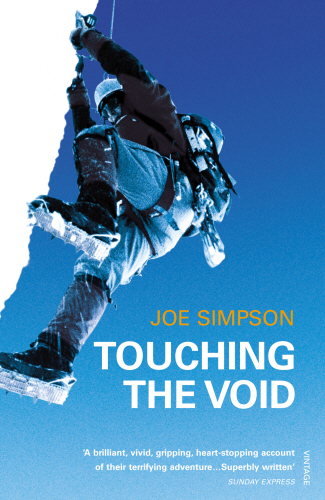
05 · Siula Grande · AndesTouching the Void
Joe Simpson
Climb Siula Grande in the Peruvian Andes with Joe Simpson and Simon Yates, then discover how quickly triumph can become catastrophe.
After successfully reaching the summit, an accident on the descent leaves Simpson badly injured. What follows has become one of mountaineering’s most famous survival stories: a chain of decisions made under conditions in which every available option seems impossible.
The mountain reduces life to immediate problems—cold, pain, distance, exhaustion and the next few metres of ground. Simpson’s account is gripping because survival does not arrive as one grand act of heroism. It is assembled from repeated decisions to solve the problem directly in front of him.
Take a question with youHow small does the future have to become before an impossible situation becomes survivable?
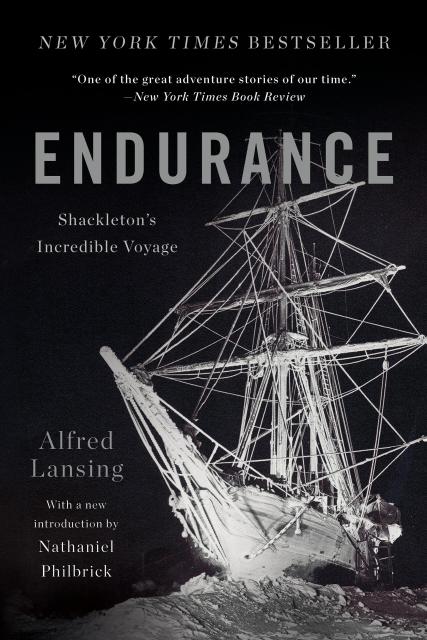
06 · Antarctica · Weddell Sea · South GeorgiaEndurance
Alfred Lansing
Finish at the bottom of the world, where Ernest Shackleton’s Antarctic expedition discovers that its ship has become a prisoner of the Weddell Sea.
The Endurance is trapped, carried by the ice and eventually crushed, leaving the expedition stranded with no conventional route home. What follows is a sequence of improvisations across drifting ice, open ocean and remote islands as Shackleton and his men repeatedly adapt their plans to circumstances they cannot control.
Lansing’s account turns survival into a collective achievement. Leadership matters, but so do discipline, humour, practical skill and the willingness of a group to keep functioning when the original purpose of the expedition has vanished.
The guide ends where the imbalance between human beings and the natural world may be most obvious. The ice is indifferent to ambition. Survival begins when ambition gives way to attention.
Take a question with youWhat keeps a group together when the plan that brought them there no longer exists?